

Diffuse Intrinsic Pontine Glioma, or DIPG, is a brain tumour that affects the central nervous system.
The facts
DIPG is a tumour found in the pons, an area of the brain located within the brainstem. DIPG predominantly affects children, typically between the ages of 5 and 10. In Australia, up to 20 children will be diagnosed with DIPG each year. The average life expectancy of a child after they are diagnosed is nine months. The typical treatment for DIPG involves radiotherapy, which in the majority of cases will shrink the tumour, before it grows back aggressively and lethally. There has been little improvement in the efficacy of treatment or survival rates for DIPG in the past 40 years.
DIPG EXPLAINED
Click for a larger version
-
The tumour cells are not contained to one area but spread and mix with other normal healthy cells and tissue in the brain.
-
Meaning “in” or inside the part of the brainstem called the pons.
-
Refers to the specific location that the tumour is located. The pons is an area of the brain that is part of the brainstem, which is situated at the base of the brain, just above the neck. The brainstem connects the brain to the spinal cord.
-
Describes tumours originating from the glial cells in the brain. Glial cells surround, protect and support neurons, or nerve cells, that carry messages in the brain. Glial cells are found throughout the brain and gliomas can form in different areas of the brain. DIPG occurs in glial cells in the pons.
symptoms of dipg
Symptoms of DIPG are usally rapid in onset and development. Common symptoms include:
Eye problems, such as blurry vision, seeing double, uncontrollable or odd eye movements
Trouble with walking, muscle coordination or balance
Droopy eyelids or drooping on one side of the face
Difficulty chewing or swallowing
Weakness in the arms or legs
Headaches, especially morning headaches and headaches that improve after vomitingNausea and vomiting
Slurred speech

levi’s project
Levi’s Project aims to develop a comprehensive and effective treatment strategy designed specifically for DIPG.
Levi’s Story
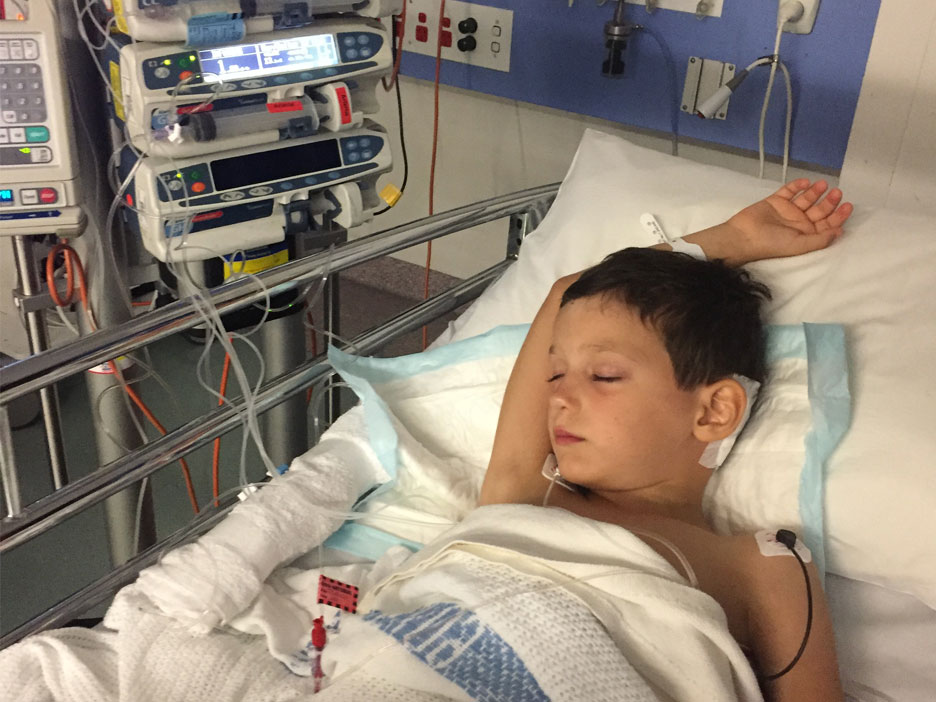
Doctors found a mass and some swelling on Levi’s brain on December 20, 2017, one month and five days after his 7th birthday. We refer to this as diagnosis day.